ByJohn A
Maintaining Cutting Tables for Consistent Fabrication Results
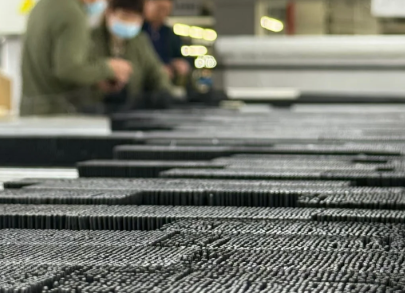
Laser cutting is widely used in metal fabrication because it can produce accurate shapes and repeatable components. However, the quality of a cutting operation depends on more than the laser source and cutting settings. The condition of the cutting table also matters. Over time, metal slats can accumulate dross, slag, and residue, affecting workpiece support and making routine maintenance more difficult.
A planned cleaning process helps fabrication teams maintain their equipment and reduce avoidable interruptions.
Why Cutting Table Maintenance Matters
During laser cutting, molten material and residue can collect on the supporting slats beneath the workpiece. As the buildup increases, the table may become harder to clean and maintain. Raised deposits can interfere with workpiece positioning or support, particularly when components need to lie flat.
Dirty slats may also complicate the handling of thin sheet material. Although cleaning the table does not replace proper cutting parameter control, it is an important part of routine machine care.
Maintenance schedules should reflect cutting volume, material types, thicknesses, and the amount of residue generated by the operation.
Understanding Common Slat Contamination
The type and amount of buildup vary according to the cutting process. Different metals, assist gases, cutting parameters, and production patterns can produce different deposits.
Common challenges include:
- Dross and solidified metal attached to slats.
- Slag that becomes harder to remove over time.
- Residue that interferes with convenient workpiece placement.
- Uneven support caused by damaged or heavily contaminated slats.
- Additional downtime when cleaning is postponed until buildup becomes excessive.
A routine inspection helps identify whether the table needs cleaning, repair, or replacement of worn components.
Evaluating Dedicated Cleaning Equipment
Manual removal can be labour-intensive, particularly when deposits have hardened or a table contains many slats. Fabrication facilities may therefore investigate equipment designed specifically for this maintenance task.
A Clyertek laser cutter slat cleaner is one product option businesses can evaluate when researching dedicated slat-cleaning solutions. Buyers should confirm the machine’s supported slat dimensions, cleaning method, operating requirements, and suitability for the cutting tables in their facility.
The objective is to identify a process that removes unwanted buildup while maintaining the useful condition of the slats.
Establishing a Preventive Maintenance Schedule
Inspect the table regularly
Inspection frequency should reflect how intensively the cutting machine is used. High-volume facilities may need more frequent checks than workshops running occasional jobs.
Look for excessive buildup, bent or damaged slats, uneven support, and deposits that could affect workpiece handling. Record the condition so that maintenance decisions are based on observable changes.
Clean before deposits become difficult to manage
Allowing buildup to accumulate can increase the effort required for removal. A planned schedule makes cleaning more predictable and helps maintenance teams allocate downtime.
The appropriate interval depends on production conditions. Rather than applying a universal schedule, review the table’s condition and adjust the interval according to experience.
Check slat condition after cleaning
Cleaning is not the only maintenance requirement. Slats can become worn, warped, or damaged through repeated exposure to cutting operations. Components that no longer provide appropriate support may need replacement.
A maintenance record should distinguish between removable residue and physical damage that cleaning cannot correct.
How Table Condition Affects Workflow
A well-maintained cutting table can make workpiece placement and handling more straightforward. It also helps operators identify when the supporting structure needs attention before the problem affects production.
However, table cleaning should be considered alongside other maintenance tasks, including nozzle inspection, optics care according to manufacturer instructions, assist-gas checks, and verification of machine alignment. These activities address different sources of performance variation.
A comprehensive maintenance plan assigns responsibility for inspections, records completed work, and defines the circumstances that require technical service.
Choosing a Suitable Cleaning Method
Before selecting equipment, assess the cutting table’s construction, slat spacing, deposit characteristics, and access. Consider how the cleaning process will fit into the facility’s maintenance schedule and whether it requires moving slats or working on them in place.
Ask suppliers about realistic cleaning performance, compatible materials, operator training, maintenance requirements, and safety measures. Where possible, arrange a demonstration using representative slats with typical buildup.
Compare the proposed method with the current process using measurable criteria such as labour time, cleaning consistency, downtime, and the condition of the slats after treatment.
Safety During Slat Maintenance
Cutting-table residue may contain sharp edges and metal fragments. Workers should follow appropriate handling procedures and use suitable protective equipment for the maintenance task.
If laser-based equipment is used, additional controls are necessary to protect against direct and reflected laser radiation. The risk assessment should determine whether a designated laser work area, enclosure, interlocks, warning signs, protective eyewear, and extraction are required.
The cleaning process may also release particles or fumes, depending on the deposits and treatment method. Maintenance should take place under the conditions specified by the equipment manufacturer.
Frequently Asked Questions
1. Why do laser-cutting machine slats need regular cleaning?
Dross and slag can accumulate during cutting and interfere with convenient workpiece support and table maintenance. Regular inspection helps prevent excessive buildup.
2. Should damaged slats be cleaned or replaced?
Cleaning removes suitable deposits but does not correct bending, severe wear, or structural damage. Inspect each slat and replace components that no longer provide appropriate support.
3. How often should a cutting table be cleaned?
The interval depends on production volume, material types, and residue buildup. Establish a schedule based on regular inspections and the facility’s actual operating conditions.
See also: Emerging Trends in Business Intelligence
Conclusion
Cutting-table maintenance is an important part of a reliable metal fabrication workflow. Regular inspection, timely cleaning, and replacement of damaged slats can help maintain appropriate workpiece support and reduce avoidable downtime. Dedicated cleaning equipment may be worth evaluating when manual maintenance becomes inefficient, but the chosen solution should match the table design and workplace requirements. A documented preventive maintenance programme helps teams keep the cutting area in better condition and plan servicing more effectively.