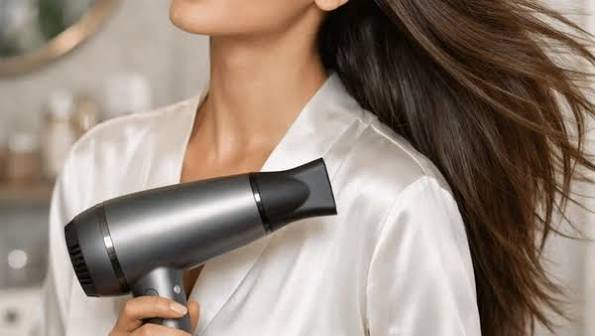

Hair dryers have developed beyond basic heating appliances. Many modern models include additional features designed to make drying and styling more convenient. One feature often mentioned in product descriptions is ionic technology.
Although the term appears frequently in beauty appliance marketing, shoppers may not always understand what it means or whether it is relevant to their hair. Learning how ionic dryers are described, what they are intended to do and which other features matter can help people compare products more confidently.
What Does Ionic Technology Mean?
Ionic hair dryers are designed to release negatively charged ions during operation. Manufacturers commonly explain that these ions interact with positively charged particles associated with water droplets and hair.
The technology is marketed as helping water disperse during drying and reducing static electricity. Some users may find that their hair feels smoother or appears less frizzy after styling, although results vary according to hair type, environment and the particular appliance.
It is important to remember that product descriptions are not a guarantee of identical results for everyone. Hair condition, technique and other styling products also influence the final appearance.
Understanding Frizz and Static
Frizz can develop for several reasons, including humidity, dryness, hair damage and the natural structure of individual strands. Static electricity may also make hair appear flyaway, particularly in dry environments or when hair comes into contact with certain fabrics.
An ionic dryer is one possible feature to consider, but it is not a complete solution for every cause of frizz. Appropriate conditioning, gentle handling and suitable styling techniques remain important.
People with damaged or chemically treated hair may need to pay particular attention to heat exposure, regardless of whether a dryer includes ionic technology.
Why Temperature Settings Still Matter
The presence of ionic technology does not remove the need for sensible heat control. Excessive heat can weaken the hair’s outer structure and contribute to dryness or breakage over time.
A dryer with adjustable heat settings allows users to choose a temperature that suits their routine. Lower or moderate settings may be preferable when high heat is unnecessary.
Keep the appliance moving and avoid directing hot air at one section for too long. Drying hair in manageable sections can also make styling more controlled.
Comparing Ionic and Standard Dryers
The choice between an ionic and a standard dryer should depend on individual priorities. Some shoppers may value ionic features because they are interested in managing static or achieving a smoother finish. Others may prefer a simpler appliance with reliable temperature controls and a comfortable design.
When reviewing an ionic hair dryer compare the complete feature set rather than focusing on one label. Consider:
- Available heat and speed settings.
- Airflow and motor specifications.
- Included attachments.
- Weight and handle comfort.
- Cord length and storage.
- Warranty and maintenance requirements.
This approach helps avoid paying for features that may not be useful in an individual’s routine.
Attachments and Styling Flexibility
Attachments can make a dryer suitable for different styling preferences. A concentrator nozzle helps direct airflow towards a selected area, while a diffuser spreads airflow more broadly and may be useful for curly or wavy hair.
Some dryers include several accessories, while others require separate purchases. Check the product listing to confirm what is included.
The attachment should fit securely and be easy to remove when the appliance has cooled. Always follow the manufacturer’s instructions for changing accessories.
Maintenance and Safe Operation
Regular maintenance supports the appliance’s performance. Many dryers have an air filter that should be checked and cleaned according to the manufacturer’s guidance.
Keep the air intake clear and avoid using the dryer near water. Unplug it after use and allow it to cool before putting it away.
If the appliance begins making unusual noises, produces an unusual smell or shows visible damage, stop using it and consult the manufacturer’s support guidance.
Choosing a Model With Realistic Expectations
Product descriptions may use terms such as smoothness, shine or frizz control. These should be understood as intended benefits rather than guaranteed outcomes.
Look for clear specifications and compare models from reliable retailers. Customer feedback can provide additional context, but results depend on individual hair characteristics and usage habits.
Frequently Asked Questions
1. What is the purpose of an ionic hair dryer?
Ionic dryers are designed to release negatively charged ions and are commonly marketed to help reduce static and improve the appearance of smoothness. Results can vary between users.
2. Is an ionic dryer suitable for every hair type?
It may be used by people with different hair types, but suitability depends on the appliance’s settings, the user’s needs and their styling routine. No single technology works identically for everyone.
3. Does ionic technology prevent heat damage?
No. Ionic technology does not eliminate the risks associated with excessive heat. Appropriate temperature settings and careful drying technique remain important.
See also: How Acquaint Builds Hotel Booking Engines: Process, Tech Stack, and Delivery Model
Conclusion
Ionic technology is one feature among many that shoppers may encounter when comparing hair dryers. It is commonly associated with managing static and supporting a smoother-looking finish, but individual results vary. By considering heat control, airflow, attachments, comfort and safety alongside ionic features, shoppers can choose an appliance that better matches their personal-care routine.