ByJohn A
What Businesses Should Know When Sourcing Industrial Plastic Sheets
Industrial plastic sheets are used in manufacturing, construction, equipment fabrication, and many other commercial applications. Their versatility allows businesses to develop lightweight components, protective barriers, equipment covers, and functional panels without relying exclusively on traditional materials such as metal or wood.
However, the quality of the finished product depends heavily on the material selected and the consistency of its production. Differences in formulation, thickness, surface finish, and dimensional accuracy can affect fabrication efficiency and long-term performance. For procurement teams, choosing a suitable supplier is therefore just as important as identifying the right material.
Understanding how plastic sheets are manufactured, what specifications matter, and how suppliers should be evaluated can help businesses reduce waste, control costs, and maintain reliable production standards.
Understanding the Production of PVC Sheets
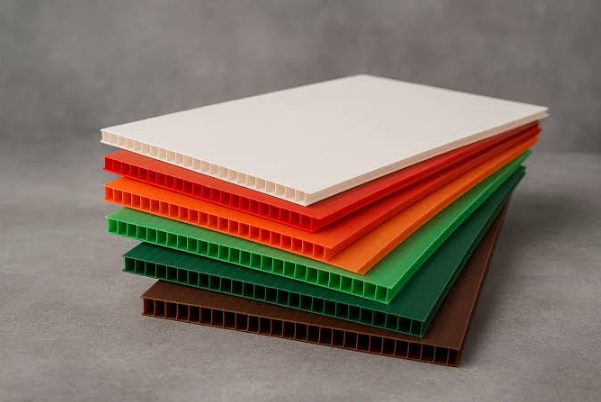
Polyvinyl chloride, commonly called PVC, is a thermoplastic used to produce a wide range of rigid and flexible products. In sheet manufacturing, the material is formulated and processed into flat panels with specific dimensions, thicknesses, and surface characteristics.
The manufacturing process generally begins with preparing a suitable PVC compound. Depending on the intended application, the formulation may contain stabilizers, processing aids, pigments, and other additives. These ingredients influence characteristics such as color, processing behavior, weathering resistance, and thermal stability.
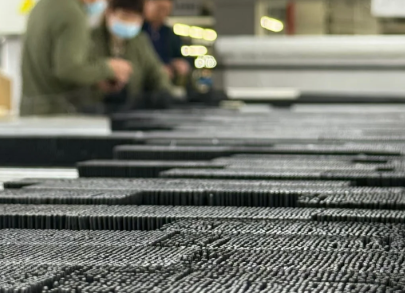
Once the compound is prepared, it is processed using suitable equipment to create a continuous sheet or another required product form. The material is then cooled, calibrated, cut to size, and inspected according to the manufacturer’s quality-control procedures.
Why Formulation Matters
Not all PVC sheets are made for the same purpose. A product designed for indoor panels may have different requirements from one intended for chemical handling equipment or outdoor installations.
The formulation can influence rigidity, impact behavior, resistance to particular chemicals, and performance under changing temperatures. Buyers should therefore avoid judging a product solely by its appearance or nominal thickness.
A technical data sheet provides a useful starting point for comparing material grades. For demanding applications, additional testing may be necessary to confirm compatibility with the operating environment.
The Importance of Dimensional Accuracy
Sheet thickness and flatness can directly affect fabrication results. If dimensions vary significantly between batches, manufacturers may experience difficulties during cutting, drilling, assembly, and installation.
Consistent dimensions are especially important when sheets are used in repeated production runs. Even small differences can create alignment problems when several components must fit together precisely.
Businesses should clarify their tolerance requirements before placing an order. This allows the supplier to determine whether its standard production specifications are adequate or whether additional inspection is necessary.
How to Evaluate a Plastic Sheet Supplier
Selecting a supplier requires a broader assessment than comparing quotations. A low initial price may be attractive, but material inconsistency, delayed deliveries, or inadequate technical support can create higher costs later.
Review Technical Capabilities
A reliable supplier should be able to explain the characteristics of its available sheet grades and help buyers identify suitable options. Relevant information may include thickness ranges, sheet dimensions, surface finishes, color choices, processing recommendations, and application limitations.
When assessing a PVC sheet manufacturer, businesses should determine whether the company can consistently produce the specifications required for their projects. It is also useful to ask how dimensional accuracy and product quality are checked during production.
Suppliers that provide clear technical documentation make it easier for engineering and procurement teams to compare alternatives objectively.
Examine Quality-Control Procedures
Quality control should cover more than a final visual inspection. Depending on the product and its intended use, checks may include thickness measurements, dimensional verification, surface inspection, and tests for selected physical properties.
Buyers can ask whether inspection records are available and how the supplier handles products that fail to meet agreed specifications.
For recurring orders, documented acceptance criteria are particularly valuable. They create a common reference point for both parties and reduce the likelihood of disagreements over material quality.
Consider Production Capacity and Lead Times
A supplier may offer suitable material but lack the capacity to support a large or recurring order. Before committing, businesses should discuss available production volumes, standard lead times, order minimums, and the process for handling urgent requirements.
It is also worth asking how the supplier manages fluctuations in demand and whether the same grade can be supplied consistently across future orders.
These questions are especially relevant for manufacturers that depend on uninterrupted material availability to meet customer delivery schedules.
Applications Across Different Industries
PVC sheets serve many purposes because they can be fabricated into a range of shapes and components. Their suitability depends on the specific grade, design, and working environment.
Manufacturing and Equipment Fabrication
Industrial facilities may use PVC panels for machine covers, partitions, protective barriers, and selected internal components. The material’s resistance to moisture and many chemicals can make it useful in appropriate environments.
However, equipment designers must evaluate mechanical loads, impact exposure, operating temperatures, and applicable safety standards. A general-purpose sheet should not automatically be treated as a structural component or a certified machine guard.
Construction and Interior Installations
In construction, plastic panels may be used in selected interior applications, utility spaces, and protective surface systems. Their relatively straightforward fabrication can simplify cutting and installation.
The finished installation must still meet relevant building requirements. Fire performance, smoke characteristics, cleaning procedures, and exposure to sunlight should be considered when selecting a product for a particular location.
Chemical Processing and Laboratory Environments
Certain PVC grades are used in equipment and installations exposed to specific chemicals. Their performance can be useful where corrosion resistance is a consideration.
Chemical compatibility should never be assumed across all substances. Temperature, concentration, exposure duration, and mechanical stress may change how a material performs. Technical compatibility data and application-specific testing are advisable when failure could cause significant damage or safety concerns.
Factors That Influence Purchasing Costs
The purchase price of a plastic sheet is only one part of its total cost. Several other factors can influence the budget over the product’s service life.
Material grade and formulation: Specialized grades may cost more than standard products because of their composition, testing, or performance characteristics.
Thickness and dimensions: Larger and thicker sheets generally require more raw material. Custom dimensions may also affect production efficiency and pricing.
Finishing and fabrication: Cutting, drilling, surface treatment, and other processing services can add to the overall quotation but may reduce work required at the installation site.
Packaging and transportation: Large sheets need suitable packaging to limit bending, scratches, and edge damage during handling and shipping.
Waste and replacement: Material that cannot be fabricated accurately or does not suit its environment may lead to scrap, rework, and premature replacement.
Comparing suppliers on a consistent specification makes it easier to understand the real differences between quotations.
Common Mistakes When Choosing a Supplier
One common mistake is placing an order before defining the application’s technical requirements. Without a clear specification, buyers may receive a material that meets the requested dimensions but fails to perform as expected.
Another mistake is relying entirely on product descriptions. General statements about durability or chemical resistance do not replace measurable specifications or documented testing.
Businesses should also avoid changing suppliers between production runs without checking material equivalence. Products that appear similar may have different formulations or manufacturing tolerances, which can affect machining and assembly.
Finally, procurement teams should not overlook communication. Clear confirmation of product grade, quantity, delivery schedule, packaging, and acceptance criteria helps prevent avoidable disputes.
Building a Reliable Sourcing Process
An effective sourcing process starts with a written material specification. Include the intended application, dimensions, thickness, tolerance requirements, operating conditions, and any required certifications.
Next, request comparable quotations from potential suppliers. Ask for technical data sheets and clarify which requirements are included in the quoted product. If the material will be used in a critical application, consider requesting samples and evaluating them under realistic conditions.
Once a supplier has been selected, establish a repeat-order procedure. Document approved specifications, inspection criteria, packaging requirements, and the process for reporting defects. Periodic performance reviews can help identify recurring quality or delivery issues before they disrupt operations.
For businesses seeking an initial point of comparison, the product information available from a PVC sheet manufacturer can help inform discussions about sheet options and technical requirements. Final purchasing decisions should still be based on the specifications needed for the actual application.
Three Common Questions
1. What information should buyers provide when requesting a quotation?
Buyers should provide the required material grade, sheet dimensions, thickness, quantity, color, intended application, and any special performance or compliance requirements. Delivery location and preferred lead time are also useful for obtaining an accurate quotation.
2. How can businesses check the quality of PVC sheets?
They can review technical data sheets, inspect samples, measure thickness and dimensions, and request relevant test or inspection records. The checks should reflect the properties that matter most to the intended application rather than relying only on visual appearance.
3. Is the lowest-priced supplier always the best option?
Not necessarily. A lower quotation may exclude important services or involve differences in material specifications, tolerances, packaging, or delivery terms. Comparing products against the same technical requirements provides a more meaningful basis for evaluating overall value.
Conclusion
Reliable plastic sheet sourcing depends on clear specifications, consistent quality, and realistic expectations about performance. Understanding the manufacturing process helps buyers ask better questions and recognize which properties matter for their applications.
By evaluating technical capabilities, quality-control procedures, production capacity, and total purchasing costs, businesses can build stronger supplier relationships and reduce avoidable manufacturing problems. A structured approach also makes repeat orders easier to manage, supporting more predictable production and better long-term value.